




Have an urgent care enquiry? We're available 24 hours, 7 days a week. Call 01279 437923
Single Handed Care
Smarter care. More dignity.
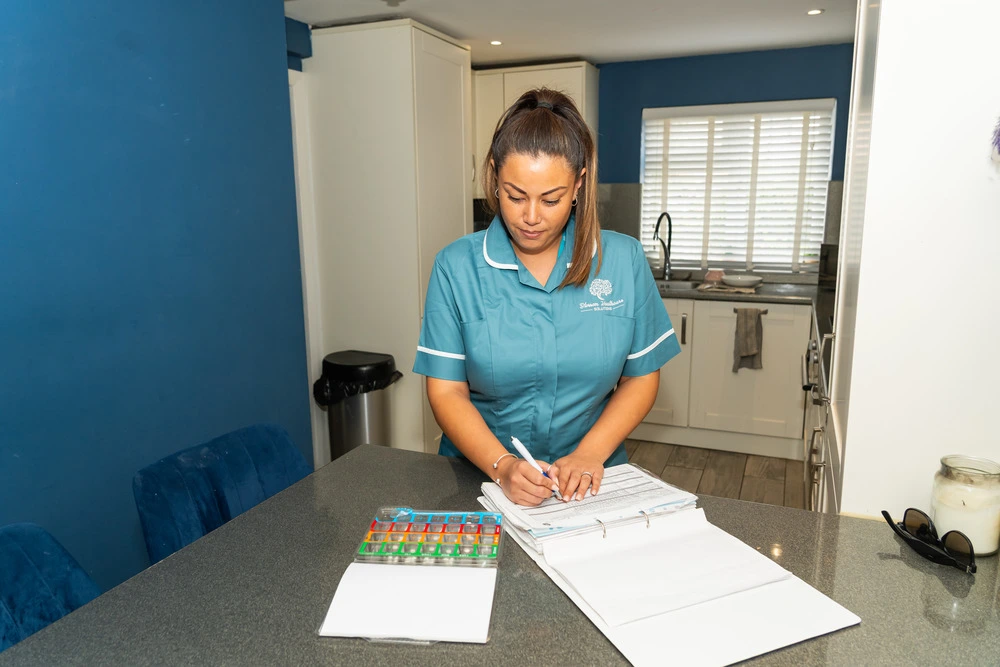
Single handed care uses specialist training and carefully selected equipment to enable a single trained carer to support someone safely. Preserving independence, improving privacy, and putting the person first.

Single Handed Care
What is single handed care?
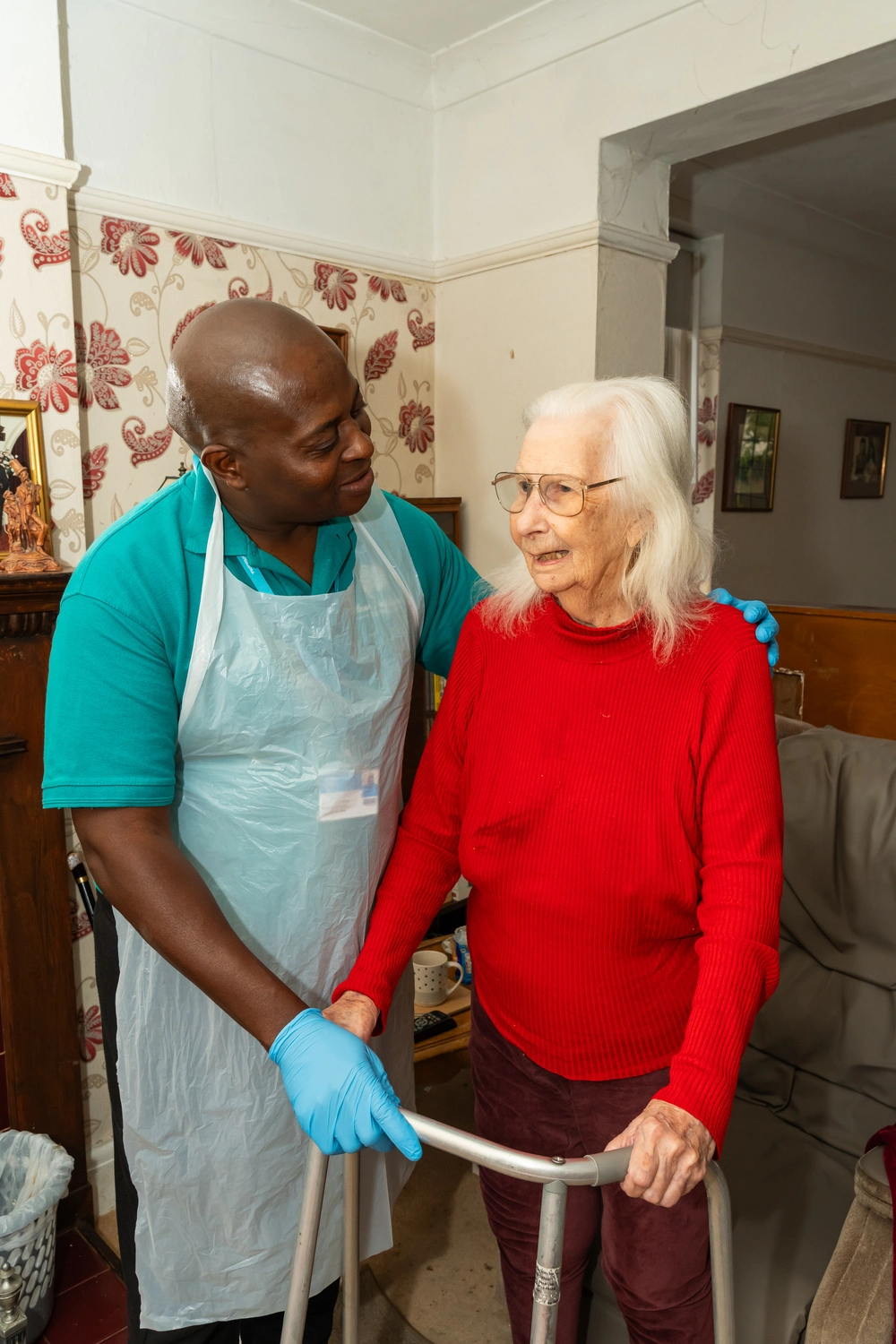
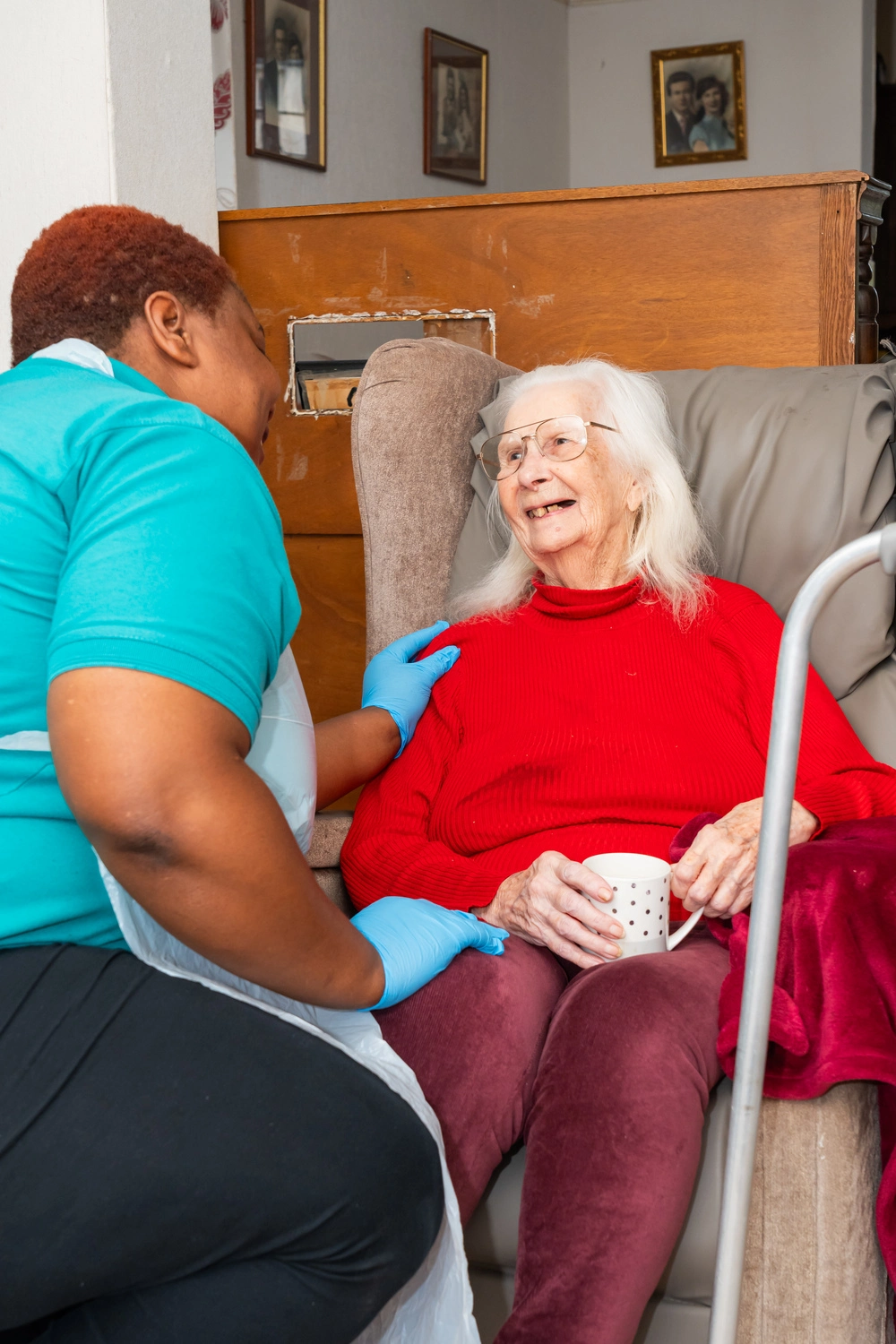
Single handed care is an approach to personal care and moving and handling that allows one trained carer to support someone safely, where previously two carers would have been considered necessary.
For the person receiving care, that often means more privacy, more dignity, and a calmer, more personal visit. And because needs can change over time, single handed care isn’t necessarily a fixed choice. If circumstances develop, moving to a double-handed package is always a smooth, well-supported next step.
Single handed care is not about reducing costs for the sake of it. It is about getting the arrangement right for the individual.
Single Handed Care
Who is single handed care for?
Single handed care may be right for you if you currently receive, or have been assessed as needing, a double-handed care package (that is, care visits where two carers attend together).
It is worth exploring if:
- You find having two carers present for personal care intrusive or uncomfortable
- Your care package has been assessed as requiring two carers, but your abilities or equipment have changed since that assessment
- You are self-funding and a double-handed package is placing significant financial pressure on you
- A professional such as an occupational therapist or discharge coordinator has suggested a single handed assessment
- You are being discharged from hospital and an alternative to two-carer visits has been discussed
Single handed care is not appropriate in every situation. There are cases where two carers are genuinely required, and a proper assessment will identify those. We will always be honest about what is safe and what is not.
Locations
Single handed care across West Essex, Epping Forest and Hertfordshire.
East Hertfordshire
Epping Forest
North Hertfordshire
West Essex
Single Handed Care
How we approach single handed care.
Single handed care starts with a proper individual assessment. We do not apply it as a blanket approach, and we do not offer it as a cost-cutting exercise. Every decision to deliver single handed care is made on the basis of what is safe and appropriate for that specific person, at that specific time.
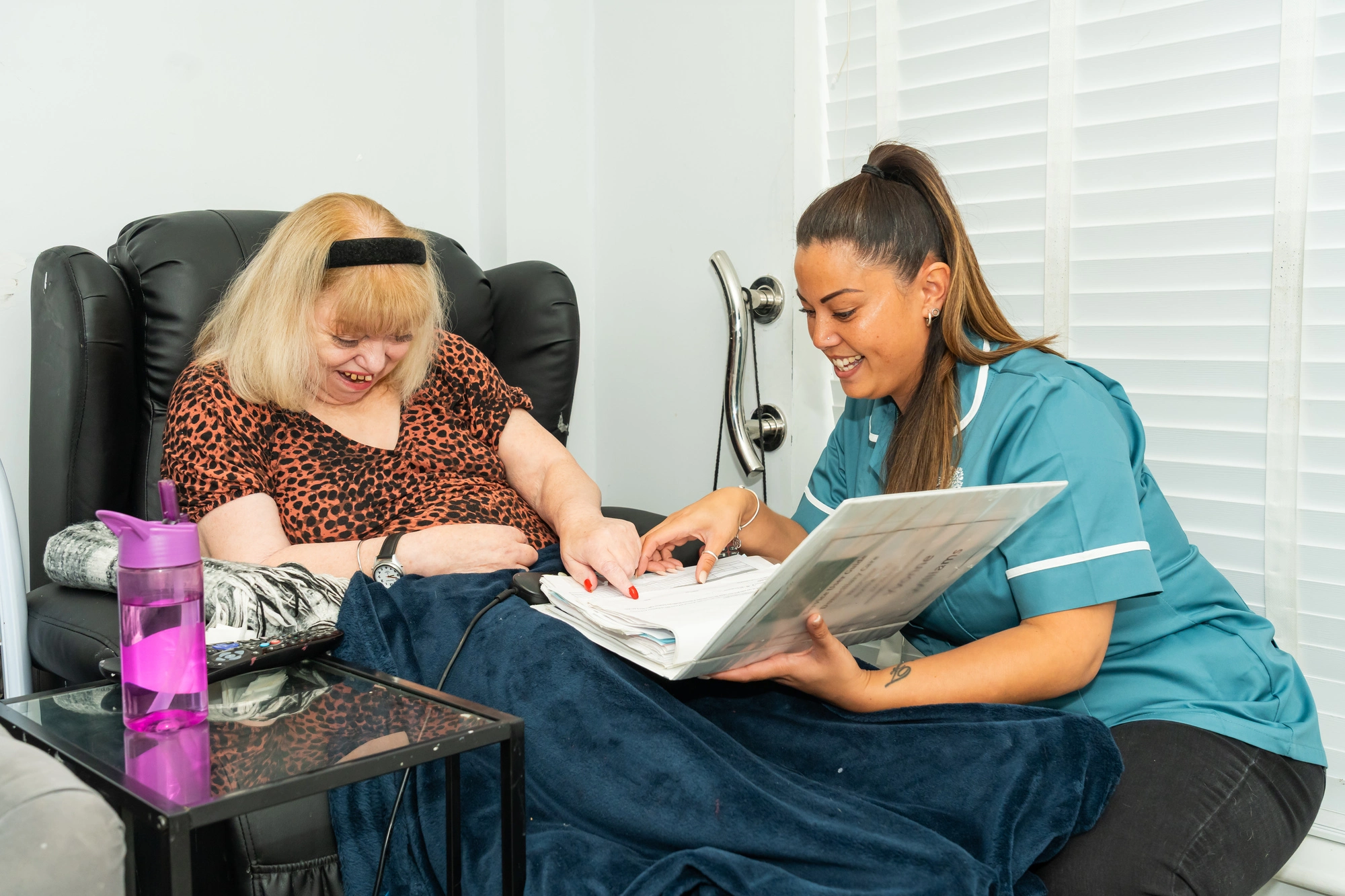
The assessment looks at the person's mobility, their care needs, the layout of their home, the equipment available or required and the complexity of the tasks involved. We work alongside occupational therapists and other health professionals where relevant, and we involve the person and their family throughout.
Where single handed care is suitable, we ensure our carers have the specific training and equipment required. The right approach to moving and handling is not guesswork — it is a trained skill, and we take that seriously.
We also review arrangements regularly. Needs change, and what works safely today may need to be revisited if a person's condition changes in either direction. Our team stays in contact, and we adjust when we need to.

Dedicated to Excellence
TESTIMONIALS
What people say about us...
The important questions
Is single handed care as safe as double-handed care?

Who carries out the assessment?
What happens if my needs change?
Blossom Healthcare Solutions
Home Care Help & Advice



Unit E
Warwick House
Perry Road
Staple Tye
Harlow, Essex
Blossom Healthcare Solutions
CM18 7NF